November is when the garden starts going quiet on you. The summer pots are finished, the borders have died back, and on a grey morning it can all look a bit brown from the kitchen window.
It doesn't have to. Plenty of plants save their best for winter, with flowers, scent, coloured stems or leaves that glow on a dull day. These are the ones we grow, plus five easy ways to get the most out of them.
The short version
- Primroses give the quickest colour and come back every year in the border.
- For scent, plant sarcococca, daphne or witch hazel by a path or door.
- Cornus stems and nandina leaves give colour without any flowers.
- Lift winter pots onto feet so they drain. They rot far more often than they freeze.
The best plants for winter colour
Primroses, pansies and violas
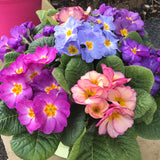
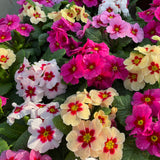
The quickest colour there is. Plant them into pots and window boxes now and they'll flower on and off right through to spring, whatever the weather throws at them. Provence and the Raspberry Rose mix are both lovely this year.
Once your primroses have finished, plant them out in a shady corner of the border. They come back year after year, and the clumps get bigger every time. Have a look at our primroses and the rest of our autumn and winter bedding.

Witch hazel
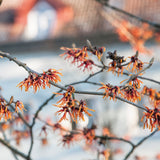
Hamamelis flowers in January and February, just when you need it most. The flowers are like little spiders, they smell wonderful, and you get a second show from the leaves in autumn. Diane has the more unusual orange red flowers.

Sarcococca
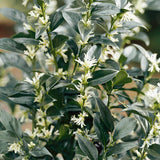
Christmas box is everyone's favourite winter shrub, and for good reason. The white flowers are tiny, but the vanilla scent carries right across the garden from December to March. Confusa is the classic. Purple Gem has darker stems and pinkish flowers.

Daphne
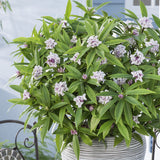
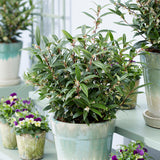
One of my very favourites. The little flowers don't look like they'd pack much of a punch, but the scent is extraordinary, and you'll smell a daphne before you see it. Perfume Princess flowers from February well into spring and is perfectly happy in a planter.

Viburnum bodnantense
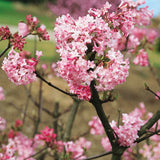
Clusters of pink flowers on bare stems through the winter, with a rich, sweet fragrance. Charles Lamont is a great variety and holds the RHS Award of Garden Merit.

Edgeworthia
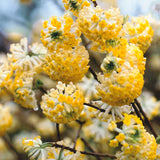
Something a bit different. Edgeworthia chrysantha Grandiflora bears bright yellow, scented flowers on bare stems in late winter, and the early bees love it. Fully hardy and easy going in a big pot on the patio.

Cornus for coloured stems
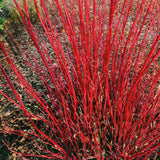
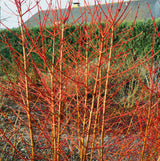
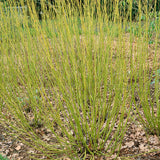
Cornus doesn't flower in winter, but once the leaves drop the stems light up the border. Miracle has bright red stems, Midwinter Fire glows orange and yellow, and Flaviramea is a lovely lime green. Cut them hard back every year or two in early spring and the new stems will be the brightest.

Leaves that do the work
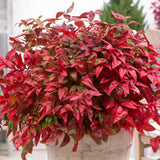
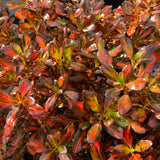
Some plants give you colour from their leaves all winter. Nandina Blush Pink turns a gorgeous red in the cold. Coprosma Tequila Sunrise has glossy leaves in warm orange and red shades. And for height and structure in a big pot, you can't beat a cordyline or a phormium.


You'll find all of these and more in our winter interest plants.
Five easy ways to use them
1. Put your pots where you'll see them
On a wet January day you're not going to go out looking for colour. Plant up a pot or two near the back door or the kitchen window and you can enjoy it with a cuppa in your hand.
2. Give your permanent pots a lift
We all have pots on the patio with a special shrub or some bulbs in that aren't doing much right now. Tuck a few primroses round the edge for instant colour while you wait.
3. Plant scent next to the path
Winter flowers are all about scent. Put sarcococca, daphne or witch hazel by the front door or a path you use every day. Tucked in the middle of a border, you'd hardly ever notice it.
4. Mix stems, leaves and flowers
A big pot with a cornus or nandina in the middle and primroses or violas round the edge will look good all winter. James shows you how to plant one up here.
5. Bring some indoors
Winter shrubs make brilliant cut flowers. A few stems of viburnum, cornus and witch hazel in a vase will last for ages and fill the room with scent.
Keep your winter pots happy
Winter pots are far more likely to rot than freeze. Lift them onto pot feet, or a few bits of wood, so the water can drain out, and check the drainage holes aren't blocked. Water sparingly, only when the compost feels dry.
And try to stay off the borders and the lawn when they're soggy, because it squashes the soil. If the lawn is squelchy, push a garden fork in every so often to help the water drain away.
Happy gardening,
Lou
Join the P2G Garden Club and we’ll email you each week’s deal, plus the month’s garden jobs. Free to join, unsubscribe any time.
Join the Garden Club