There's a weekend every autumn when the summer pots finally give up. The petunias have gone leggy, the busy lizzies have had their day, and the first frost has been round. It's a bit sad, but it's also a fresh start, and there's plenty to be getting on with.
Here's what we do between September and November, so the garden looks good through the winter and is ready to go again in spring.
The short version
- September: pick the last crops, clear the veg patch and empty summer pots.
- October: plant winter bedding, layer bulbs and plant shrubs while the soil is warm.
- November: plant tulips, make leaf mould and treat the wood on a dry day.
- Lift pots onto feet for the winter so they drain.
September: last harvests and clearing out
Pick the last of the crops. Courgettes, tomatoes, runner beans and French beans all slow right down once the nights turn cold and wet, so pick what's left. Apples and pears keep ripening for a few more weeks.
Ripen pumpkins in the sun. Cut them and leave them somewhere sunny and dry, up off the wet ground, and they'll keep colouring up in time for Halloween.

Clear the veg patch. Once it's finished, pull out the old plants and give the beds a layer of garden compost to rot down over the winter.
Empty summer pots as they finish. Tip out the old compost, give the pots a good clean, and they're ready for winter bedding and bulbs.
October: winter pots and planting
Plant winter bedding. Violas, pansies and primroses will flower on and off right through to spring, and often into early summer too. Violas are brilliant in hanging baskets. Have a look at our autumn and winter bedding.

Layer bulbs under your bedding. This is one of my favourite jobs. You plant spring bulbs in the bottom of the pot and winter bedding on top, so you get colour now and a second show in spring from the same pot.
Put some crocks or gravel in the bottom for drainage, then add compost. The general rule is the biggest bulbs go deepest, about 3 to 4cm apart:
- Daffodils about 20cm deep
- Tulips about 12cm deep
- Iris about 5cm deep
Fill to about 10cm below the rim, plant your primroses, violas or a small shrub on top, firm in and water. The bulb shoots find their way up through the gaps. James shows you how in this video.


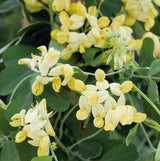
Plant shrubs and perennials while the soil is warm. Autumn is the best planting time of the whole year. The soil is still warm, the rain does the watering, and the roots keep growing all winter, so by spring the plant is settled in. Two we love for this time of year: Hydrangea paniculata Little Spooky, a dwarf hydrangea only about 50cm tall with big creamy white flowers from July into autumn, and Coronilla Citrina, an evergreen with lemon yellow, sweetly scented flowers from December to April.


Tackle the perennial weeds. With the borders dying back and the soil soft, it's a good time to dig out docks, dandelions and bindweed properly. There's more in our post on getting rid of weeds naturally.
Join the P2G Garden Club and we’ll email you each week’s deal, plus the month’s garden jobs. Free to join, unsubscribe any time.
Join the Garden ClubNovember: tulips, tidying and the dry day jobs
Plant tulips. November is the month for tulips, because the colder soil helps keep tulip fire away.
Make leaf mould. Rake leaves off the lawn and paths and pile them into a bin bag with a few holes in it. In a year or two they turn into lovely crumbly leaf mould for mulching. Doing a little and often stops it all getting out of hand.

Treat the wood. Pick a dry day to treat sheds, fences, decking and garden furniture before the worst of the weather, and give the patio and paths a clean while you're at it.
Lift your pots. Stand pots on pot feet, or a few bits of wood, so they don't sit in water over winter. Pots are far more likely to rot than freeze.
And make the most of it
A fire pit or chiminea and a few outdoor lights turn the garden into somewhere you actually want to sit on a crisp autumn evening. Always follow the safety guidelines that come with them.

For ideas on what to plant for colour over the next few months, have a look at our post on winter colour in the garden. And when February comes round, our spring garden jobs pick up where this leaves off.
Happy gardening,
Lou