Have you noticed how everyone seems a little bit cheerier when the sun comes out? The birds are singing, and the bumblebees are venturing out after a long winter. Their energy is thoroughly depleted (I'm sure some of us know how that feels) and they're desperate for some nectar to top them back up.

Bees are so important. They pollinate our plants, which keeps the garden productive and feeds a whole host of other insects, birds and wildlife. Sadly, many of the UK's 250 or so bee species are in decline, but a few small changes in your own garden really can help. Our wildlife friendly perennials are a good place to start.
The short version
- Bees need something to drink, somewhere to shelter and plenty to eat.
- Early nectar matters most, from erysimum, hellebores and Edgeworthia.
- Penstemon, lavender and verbena feed them through the summer.
- A few drops of sugar water on a spoon can revive a tired bumblebee.
How do I make my garden bee friendly?
Bees need three things: something to drink, somewhere to shelter and plenty to eat. Here are some easy ways to give them all three.
- A little drink: a pond is wonderful but not a quick fix. A shallow bowl of water with a few stones in it works just as well, as it gives the bees somewhere safe to land.
- Somewhere to shelter: leave a corner of the garden a bit untamed. A small pile of twigs and sticks, some longer grass, a hedge or even a compost heap all make good homes.
- A bug hotel: these are great fun to make with children. Lindsey's two built these, and they love watching the bugs coming and going.


If you find a tired, drowsy bumblebee on the ground, a few drops of sugar and water on a spoon next to it can give it the boost it needs to fly off again.
What are the best plants for bees?
The key is to have something in flower for as much of the year as you can. Early flowering, nectar rich plants are especially important, as they help bees recover after winter.

Late winter and spring
Erysimum, hellebores and aubretia are all in flower early and loved by bees. Erysimum in particular flowers for months on end (you can read more about why it's the bee's knees). They're happy in pots or in the border and come back bigger every year.
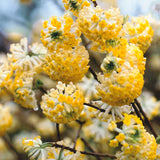
If you'd like a shrub, Edgeworthia is a beauty. It has clusters of sweetly scented yellow flowers on bare stems in late winter, just when the first bees are out looking for food. Have a look at our wildlife friendly shrubs for more.

Summer
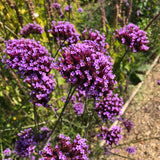
Cottage garden favourites are a hit with bees, and with us. Penstemon, lavender and verbena are some of the best. Verbena bonariensis is a lovely one, with tall, airy stems of purple flowers that seem to float above the border and are covered in bees and butterflies all summer.
When you're browsing, look out for plants marked as good for pollinators in the description. We try to make it easy to spot the ones bees love.
A little time spent now pays off for years, and you'll get to enjoy all those busy visitors in the garden.
Happy gardening,
Lou
Join the P2G Garden Club and we’ll email you each week’s deal, plus the month’s garden jobs. Free to join, unsubscribe any time.
Join the Garden Club